Jan 4, 2025
When planning a trade show presence, one of the most important decisions a brand will make is choosing between a custom trade show booth and a modular exhibit system. On the surface, this may seem like a straightforward comparison of cost, flexibility, and design. But in reality, the decision runs much deeper. It directly impacts how your brand is perceived, how attendees interact with your space, and ultimately, how successful your presence is on the show floor.
Trade shows are fast-moving environments where attendees make split-second decisions about where to go and what to engage with. This is where trade show booth psychology comes into play. The design of your booth influences behavior—whether people stop, how long they stay, and how they remember your brand after the event. Choosing the right booth type is not just a logistical decision; it’s a strategic one.
Understanding the strengths and limitations of both custom and modular exhibits is key to making the right choice. With the right approach, brands can create environments that not only look impressive but also drive meaningful engagement. This is where thoughtful design and expert execution, like what Beaver XP delivers, make all the difference.
Understanding Custom Trade Show Booths
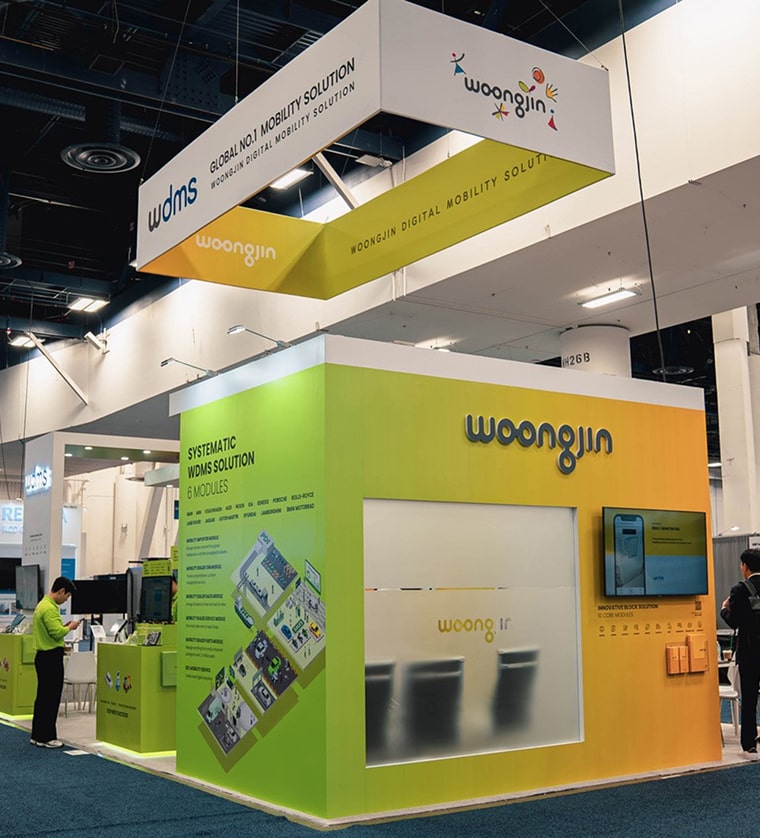
Custom trade show booths are built from the ground up with a specific brand, message, and objective in mind. Every detail is intentionally designed to create a unique and immersive experience that reflects the company’s identity. From architectural structures to material finishes and integrated technology, nothing is off-the-shelf.
One of the biggest advantages of custom exhibits is their ability to stand out. Because they are tailored specifically to the brand, they offer a level of creativity and originality that is difficult to replicate with pre-engineered systems. This makes them particularly effective for companies looking to make a strong impression at major trade shows or product launches.
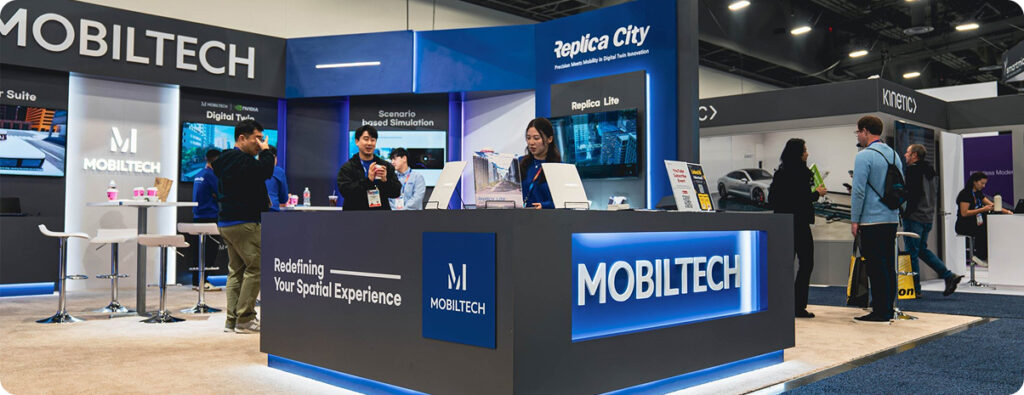
Custom booths also allow for complete control over layout and flow. Designers can create spaces that guide attendees naturally through the environment, encouraging interaction and engagement at every step. This level of control is a powerful tool when applying principles of trade show booth psychology, as it allows brands to shape how visitors experience the space.
What Are Modular Exhibits?
Modular exhibits are built using pre-designed components that can be assembled and reconfigured in different ways. These systems are designed for efficiency, offering flexibility and ease of use across multiple events.
One of the primary benefits of modular exhibits is their adaptability. Brands can adjust layouts, swap out graphics, and reuse components for different shows, making them a practical option for companies with busy trade show schedules. They are also generally more cost-effective upfront, which can be appealing for businesses looking to manage budgets.
However, modular systems can sometimes feel less distinctive if not carefully designed. Because they rely on standardized components, there is a risk of blending in with other exhibits on the show floor. That said, with thoughtful design and strategic branding, modular booths can still deliver strong results.
Trade Show Booth Psychology: Why Design Choices Matter
At the core of this decision is trade show booth psychology—the idea that design influences how people think, feel, and behave within a space. Every element of a booth, from its layout to its colors and lighting, plays a role in shaping attendee perception.
For example, open and inviting layouts encourage people to step in, while cluttered or closed-off designs can deter engagement. Bold visuals and clear messaging help capture attention quickly, while interactive elements keep visitors engaged longer.
Both custom and modular booths can leverage these principles, but the level of flexibility differs. Custom booths offer more opportunities to design with psychology in mind, allowing for fully immersive experiences. Modular booths, while more structured, can still incorporate these elements with the right planning.
Understanding how design impacts behavior is essential when choosing the right exhibit solution.
Visual Impact: Standing Out in a Competitive Environment
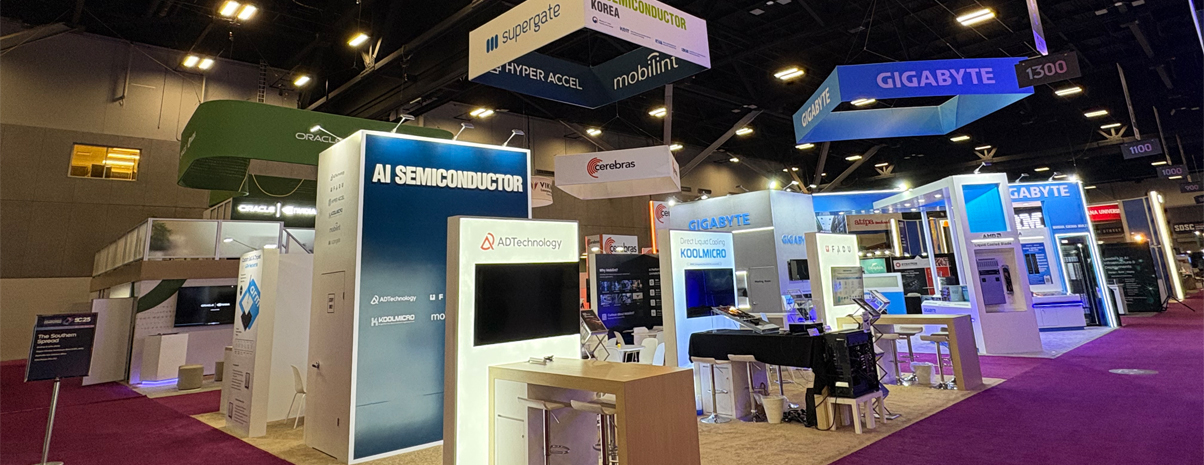
Trade show floors are crowded with competing brands, all vying for attention. In this environment, visual impact is everything. A booth must capture attention quickly and communicate its message clearly.
Custom booths often excel in this area because they are designed to be unique. Their structures, materials, and layouts are tailored to create a strong visual presence that sets them apart from surrounding exhibits. This makes them highly effective for brands looking to make a bold statement.
Modular exhibits, on the other hand, rely more heavily on graphics and branding to create visual interest. While they may not have the same level of architectural uniqueness, they can still stand out when designed thoughtfully.
Ultimately, the goal is to create a booth that draws people in—and this is where understanding trade show booth psychology becomes critical.
Flexibility vs. Uniqueness: Finding the Right Balance
One of the biggest differences between custom and modular exhibits is the balance between flexibility and uniqueness. Modular systems are designed to be adaptable, allowing brands to reuse and reconfigure components across multiple events. This makes them a practical choice for companies attending several shows throughout the year.
Custom booths, however, prioritize uniqueness. They are designed to create a specific experience that aligns with a brand’s goals and identity. While they may require more planning and investment, they offer a level of impact that modular systems often cannot match.
The right choice depends on what matters most to the brand. Some prioritize efficiency and scalability, while others focus on creating a memorable and immersive experience.
Cost Considerations and Long-Term Value
Cost is often a major factor in this decision, but it’s important to look beyond the initial investment. Modular exhibits typically have a lower upfront cost and can be reused, making them a cost-effective option over time.
Custom booths, while requiring a larger initial investment, often deliver higher impact and stronger brand presence. This can lead to better engagement, more leads, and a higher return on investment.
When evaluating cost, it’s important to consider long-term value. A booth that attracts more attention and drives better results may ultimately provide a greater return, even if the upfront cost is higher.
Engagement and Experience: Which Performs Better?
Engagement is one of the most important metrics of trade show success. The more time attendees spend in your booth, the more opportunities you have to connect with them and communicate your message.
Custom booths often provide more opportunities for immersive experiences. They can incorporate interactive elements, unique layouts, and engaging environments that keep visitors interested. This aligns closely with trade show booth psychology, as these elements encourage deeper interaction.
Modular booths can also be effective, especially when designed with engagement in mind. While they may have some limitations, strategic use of graphics, technology, and layout can still create meaningful experiences.
Scalability Across Different Trade Shows
For brands that attend multiple events, scalability is an important consideration. Modular exhibits are designed with this in mind, allowing for easy adjustments and reconfiguration.
Custom booths are often built for specific events, but with the right planning, they can also be adapted for different spaces. This requires a more strategic approach but can still provide flexibility.
Choosing the right option depends on how frequently a brand exhibits and how much variation is needed across events.
Brand Perception and Market Positioning
The type of booth you choose can significantly influence how your brand is perceived. Custom booths often convey innovation, confidence, and leadership. They signal that a brand is willing to invest in creating a strong presence.
Modular booths, while more practical, can still reflect professionalism and efficiency. The key is ensuring that the design aligns with the brand’s identity and positioning.
Perception plays a major role in how attendees engage with a booth, making this an important factor in the decision-making process.
When to Choose Custom vs Modular Exhibits
There is no one-size-fits-all answer when it comes to choosing between custom and modular exhibits. The right decision depends on your goals, budget, and overall strategy.
Custom booths are ideal for brands looking to make a significant impact, host high-value interactions, and create a unique experience. Modular exhibits are better suited for companies seeking flexibility, efficiency, and cost control across multiple events.
Understanding your priorities will help guide the decision and ensure the best possible outcome.
Choosing the Right Exhibit Partner for Your Booth Strategy
Regardless of which option you choose, the success of your booth ultimately depends on execution. Designing an effective exhibit requires a combination of creativity, strategy, and technical expertise.
Beaver XP works closely with brands to develop solutions that align with their goals, whether that means creating a fully custom environment or optimizing a modular system for maximum impact. By focusing on both design and functionality, the team ensures that every booth performs on the show floor.
Having the right partner can make the difference between a booth that simply exists and one that truly stands out.
Choosing between a custom trade show booth and a modular exhibit is a decision that goes far beyond structure and cost. It’s about how your brand is experienced, how attendees interact with your space, and how effectively you achieve your goals.
By understanding the principles of trade show booth psychology, brands can make more informed decisions and create environments that drive engagement and results. Both custom and modular exhibits have their place—it’s simply a matter of aligning the choice with your strategy.
For brands looking to elevate their trade show presence, working with an experienced partner is essential. Beaver XP helps bring these strategies to life, delivering exhibit solutions that capture attention, engage audiences, and leave a lasting impression on the show floor.