Jan 4, 2025
Trade shows have evolved far beyond rows of static displays and printed brochures. Today’s attendees expect to be immersed, engaged, and inspired the moment they step onto the show floor. In an environment filled with competing visuals, noise, and messaging, brands that rely solely on traditional booth design often struggle to stand out. This is where experiential booth design changes the game.
An experiential trade show booth does more than showcase products or services. It tells a story. It creates an emotional connection that helps attendees understand not just what a brand does, but who that brand is and why it matters. When done right, experiential design transforms a booth into a living brand narrative that visitors remember long after the show ends.
What Makes Experiential Booth Design Different
Experiential booth design is rooted in interaction and intention. Unlike conventional booths that focus on display density or signage, experiential spaces are designed around human behavior. Every element serves a purpose, from how visitors enter the space to how long they stay and what they feel during the experience.
Rather than presenting information passively, an experiential trade show booth invites participation. Visitors are encouraged to touch, explore, and engage, which creates a deeper cognitive and emotional response. This approach shifts the booth from a marketing platform into an environment that feels personal, immersive, and meaningful.
The difference lies in storytelling. Traditional booths often communicate features. Experiential booths communicate value through experience.
The Role of Brand Storytelling in Trade Show Success
At its core, brand storytelling is about connection. People remember stories far more effectively than facts, and trade shows are no exception. When a booth design reflects a brand’s values, mission, and personality, attendees intuitively understand what that brand stands for.
A strong brand story gives structure to an experiential booth. It defines tone, visual language, and the emotional arc of the space. Whether the goal is innovation, trust, excitement, or authority, storytelling ensures consistency across every touchpoint within the booth.
Experiential design allows brands to communicate their story without relying solely on sales conversations. The environment itself does the talking, setting expectations and creating alignment before a single word is spoken.
Key Elements of a Story-Driven Experiential Trade Show Booth
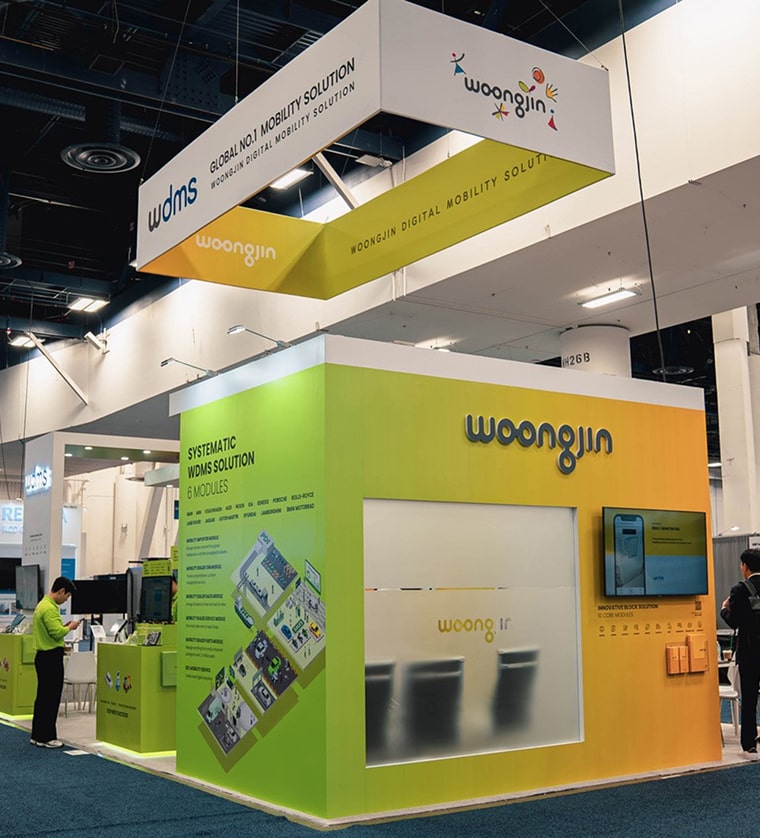
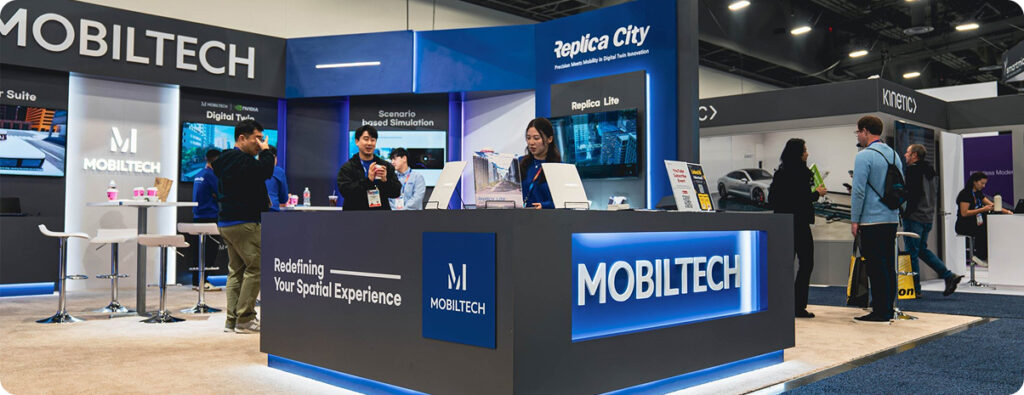
Every experiential booth begins with thoughtful spatial design. Layout and traffic flow are critical because they dictate how visitors move through the story. Entry points should feel inviting and intentional, while focal features draw attention and create moments of pause.
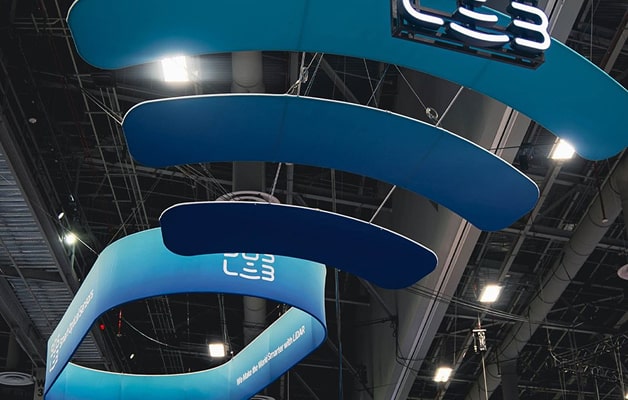
Materials and architectural details reinforce brand identity. Clean lines and refined finishes may convey sophistication, while bold forms and vibrant textures suggest innovation and energy. Lighting plays a powerful role as well, shaping mood and guiding attention throughout the space.
Interactive elements are another essential component. Whether digital or physical, these moments invite attendees to participate rather than observe. The goal is not to overwhelm but to create meaningful interactions that support the brand narrative.
Designing Experiences That Guide the Attendee Journey
A successful experiential trade show booth follows a clear narrative structure. Visitors should intuitively understand where to go, what to engage with, and how the experience unfolds. This journey often mirrors storytelling principles, beginning with curiosity, building interest, and ending with clarity or action.
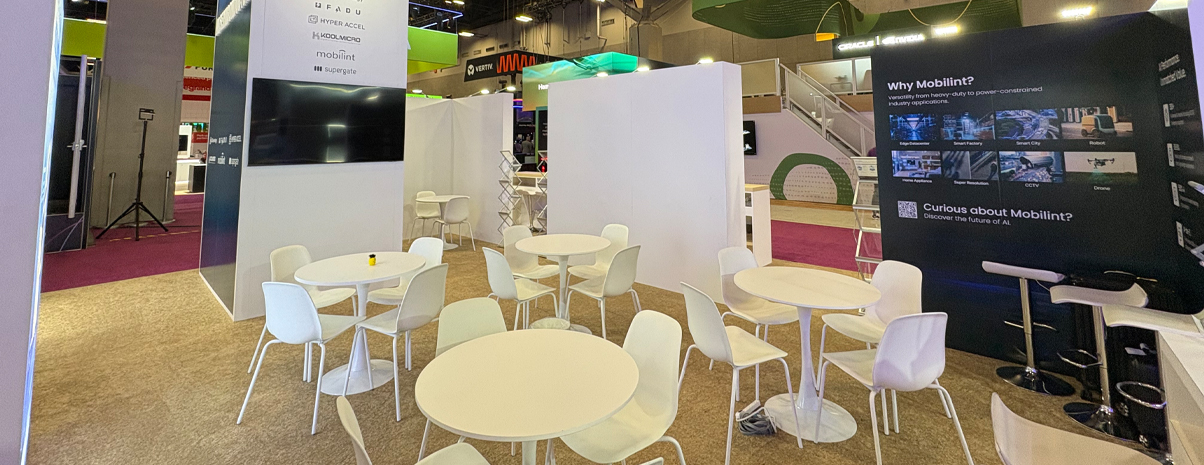
Entry zones establish first impressions and set expectations. Central features deepen engagement and encourage exploration. Secondary areas support conversations, demonstrations, or education. When designed cohesively, these zones work together to keep visitors engaged longer and leave them with a clear understanding of the brand.
This approach also supports booth functionality. When the story guides movement, staff interactions become more natural, and conversations feel less forced.
Technology as a Storytelling Amplifier
Technology can elevate experiential booth design when used intentionally. Digital displays, motion graphics, and interactive content can bring stories to life in ways static elements cannot. The key is integration.
Technology should support the narrative rather than distract from it. Screens that provide context, immersive visuals that enhance atmosphere, or interactive tools that personalize the experience all add value when aligned with the brand story.
An experiential trade show booth that blends physical design with digital engagement creates layers of interaction, appealing to different learning styles and keeping the experience dynamic without feeling chaotic.
Aligning Experiential Design With Marketing Goals
Experiential design is most effective when it aligns with clear business objectives. Whether the goal is lead generation, education, product launch, or brand awareness, the booth experience should be built to support that outcome.
Storytelling helps bridge the gap between engagement and conversion. When attendees understand the brand narrative, conversations feel more relevant and productive. The booth becomes a space where marketing, sales, and brand identity work together rather than operating in silos.
Measuring success goes beyond foot traffic. Dwell time, quality of conversations, and post-show recall are often stronger indicators of an experiential booth’s impact.
Common Mistakes Brands Make With Experiential Booths
One of the most common mistakes is prioritizing spectacle over clarity. While bold visuals attract attention, they must still support a cohesive story. Without narrative focus, even the most visually striking booth can feel confusing or forgettable.
Another pitfall is overloading the space with disconnected elements. Experiential design thrives on intention, not excess. Every feature should contribute to the story rather than compete for attention.
Ignoring real-world logistics is another challenge. An experiential trade show booth must be functional, durable, and installable within show constraints. Design without execution in mind often leads to compromised experiences on the show floor.
Why Custom Fabrication Is Essential for Experiential Storytelling
Experiential storytelling demands flexibility and control, which is why custom fabrication plays such a critical role. Modular systems can limit creativity and restrict how a story unfolds spatially.
Custom fabrication allows brands to shape environments that align precisely with their narrative. From architectural forms to integrated technology and material selection, customization ensures the experience feels intentional and authentic.
This level of control also supports scalability. A well-designed experiential booth can adapt across multiple events while maintaining narrative consistency, maximizing long-term value.
How Beaver XP Approaches Experiential Booth Design
At Beaver XP, experiential booth design starts with understanding the brand story first. Every project begins by identifying the message, tone, and emotional response the space should evoke before translating that vision into a buildable environment.
Design decisions are informed by real-world trade show experience, ensuring that storytelling elements are not only visually compelling but also practical and durable. From traffic flow to installation efficiency, the experience is engineered to perform on the show floor.
By combining custom fabrication with thoughtful design strategy, Beaver XP creates experiential trade show booths that balance creativity with execution, helping brands deliver memorable stories without sacrificing functionality.
In today’s competitive trade show landscape, experiential booth design is no longer a luxury. It is a necessity for brands that want to be remembered. A well-executed experiential trade show booth transforms brand messaging into lived experience, creating emotional connections that outlast the event itself.
Story-driven design allows brands to communicate who they are through space, interaction, and atmosphere. When paired with custom fabrication and strategic planning, experiential booths become powerful storytelling tools that drive engagement and brand recall.
For brands looking to elevate their presence and create meaningful connections on the show floor, working with a partner like Beaver XP ensures that every detail supports the story and delivers an experience attendees won’t forget.