Jan 4, 2025
A 10×20 is the sweet spot of trade show booths. It is twice the width of a standard inline, big enough for a real presence and a proper conversation, yet still affordable to build, ship and staff. Most exhibitors, though, treat it like two 10x10s pushed together and leave most of its potential on the table. Here is how we design 10×20 booths that punch well above their size.
Start with the sightline, not the wall
Attendees approach a 10×20 from the aisle at an angle, so the most valuable real estate is not the back wall – it is the front corners and the overhead space. A tall element at one end, a hanging sign where the show allows it, or a canopy that projects forward draws the eye from thirty feet away. Save the back wall for the message people read once they have already stopped.
Choose a layout that matches your goal
Open front, demo center. Keep the front edge clear, put one product or demo station at the middle of the back wall, and let staff work the corners. Best for single-product launches.
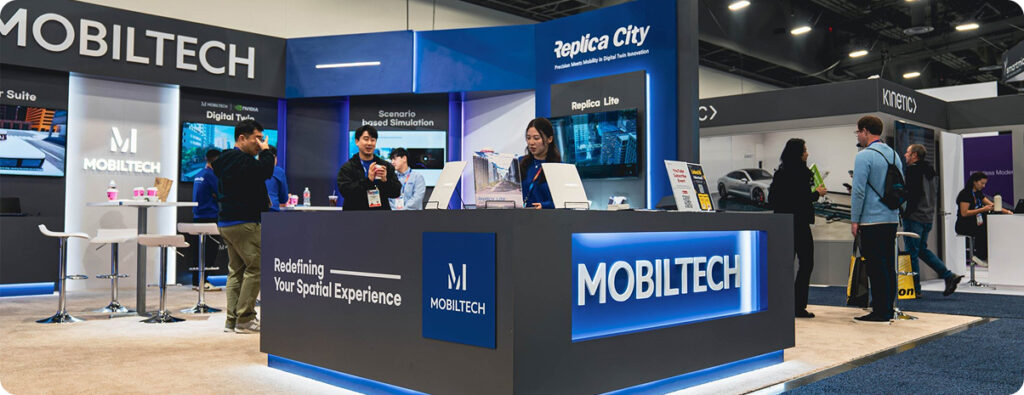
Split space. One half public demo, one half semi-private meeting area behind a partial wall or a screen. Best for sales-driven shows where deals close on the floor.
Retail run. A continuous display or shelving system across the full 20 feet, with a checkout or sampling counter at one end. Best for consumer products and beauty brands.
Theater. A small presentation area with a screen and standing room for eight to ten people. Best for software and technology demos on a schedule.
Use height
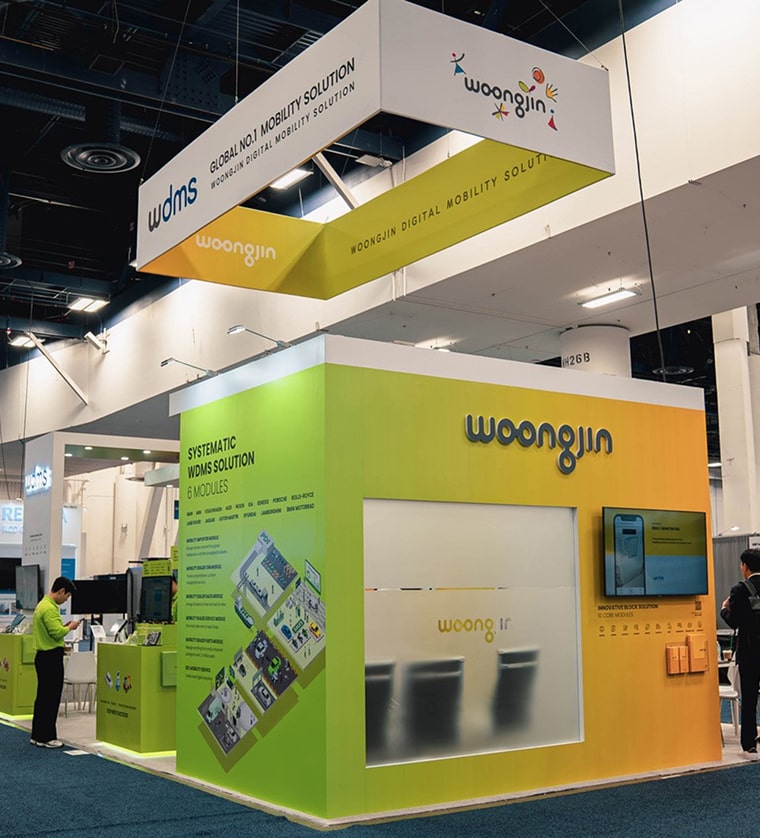
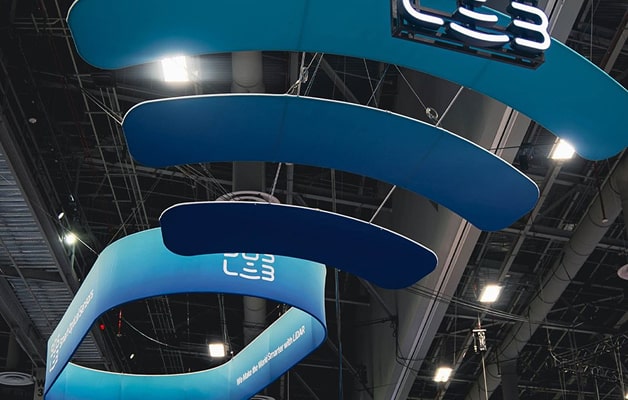
Inline booths usually allow structures up to 8 feet on the back wall and often more with approval, and many shows permit hanging signs over 10×20 spaces. A lightweight tower, an illuminated header or a suspended fabric shape doubles your visible footprint without adding floor space. Check the show rules early; height limits and line-of-sight regulations vary.
Light it properly
Lighting is the difference between a booth that looks custom and one that looks rented. Backlit fabric graphics, LED edge lighting on counters, and focused spots on product all cost less than most exhibitors expect and matter more than almost anything else. Avoid depending on hall lighting – it is flat and unflattering.
Graphics that read in two seconds
On a 10×20 there is room for exactly one headline, one supporting line and one hero image before the message gets lost. Put the brand and the one-sentence promise high, keep product detail at eye level, and print on fabric or rigid panels that can be swapped between shows.
Design in storage and function
Every 10×20 needs a place for coats, boxes, giveaways and a charging phone. Build a closet into a tower or behind a counter so the booth stays clean all day. Plan power and data runs in the structure so cables never cross the floor.
What a custom 10×20 costs
Custom 10×20 exhibits from our shop typically land between the 10×10 range – roughly $10,000 to $30,000 – and the low end of 20×20 islands, depending on height, lighting and AV. Because a 10×20 ships in a few crates and installs fast, freight, drayage and labor stay proportionally low, which is a large part of why it is such a good value.
Build it once, use it many times
A well-engineered 10×20 is modular by nature. Design it so the tower, counter and graphics can be reconfigured for a 10×10 at smaller shows and expanded with rental elements for larger spaces, and one investment covers a full show calendar.
Beaver XP designs, fabricates and installs custom 10×20 exhibits from our La Mirada, California facility, with in-house graphics and our own installation crews. Tell us your show and your goals and we will return a design direction and a line-item quote.