How to Plan a Successful Product Launch at a Trade Show
Launching a product at a trade show is one of the highest-stakes moves a brand can make. The audience is already assembled — industry buyers, decision-makers, press, and competitors are all under the same roof, actively looking for what is new and what is next. The opportunity is enormous, but so is the pressure. A product launch that lands well can generate buzz, media coverage, and a pipeline of leads that lasts for months. One that falls flat gets forgotten before the show floor closes for the day.
What separates a successful trade show product launch from a forgettable one is almost never the product itself. It is the planning behind it. The way anticipation is built before the event, the way the booth is designed to support the reveal, the way the team handles the transition from spectacle to substance after the curtain drops — all of these elements need to be orchestrated intentionally. Beaver XP has helped brands turn trade show debuts into defining moments, and the common thread in every successful launch is the same: meticulous preparation that starts long before the show opens its doors.
Why Trade Shows Are Ideal Stages for Product Launches
There are plenty of ways to launch a product. Digital campaigns, press releases, social media reveals, and virtual events all have their place. But trade shows offer something that none of those channels can replicate — a concentrated audience of the exact people a brand wants to reach, all in one physical space, actively engaged and looking for innovation.
The trade show environment creates a sense of urgency and exclusivity that amplifies a launch. Attendees know they are seeing something for the first time. They are experiencing the product in person, which builds a connection that no video or webpage can match. They can touch it, test it, ask questions, and interact with the team behind it — all within minutes of the reveal. For brands in industries where hands-on experience matters, there is no better stage.
Trade shows also offer built-in amplification. Industry media attend major shows specifically to cover what is new. Other exhibitors and attendees share their experiences on social media in real time. A well-executed launch does not just reach the people in the room — it radiates outward through organic coverage and word-of-mouth that extends far beyond the expo hall.
Building Pre-Show Buzz Before the Doors Open
The most effective trade show product launches do not begin on the day of the reveal. They begin weeks — sometimes months — before the event, with a carefully constructed campaign designed to build anticipation among the audience that will be there.
Social media teaser campaigns are one of the most accessible ways to generate pre-show buzz. Countdown posts, behind-the-scenes glimpses of the product in development, cryptic visuals that hint at what is coming — all of these create curiosity and give attendees a reason to seek out the booth on opening day. Email outreach to key prospects, existing customers, and industry contacts adds a personal layer. Invitations to an exclusive preview or a scheduled demo slot make recipients feel like insiders, which increases both attendance and engagement.
Coordinating with show organizers can also provide a significant boost. Many trade shows offer featured exhibitor placements, speaking opportunities, or inclusion in official event communications for brands that are launching something new. These channels put the product in front of the show’s full attendee list before the event even begins.
The goal of pre-show marketing is simple — make sure that when the doors open, a meaningful portion of the audience already knows something exciting is happening at the booth and has a reason to prioritize visiting it.
Designing the Booth Around the Launch Moment
The physical booth is the stage, and the product launch is the performance. Every design decision should support the narrative arc of the reveal — from the initial approach to the moment of debut to the engagement that follows.
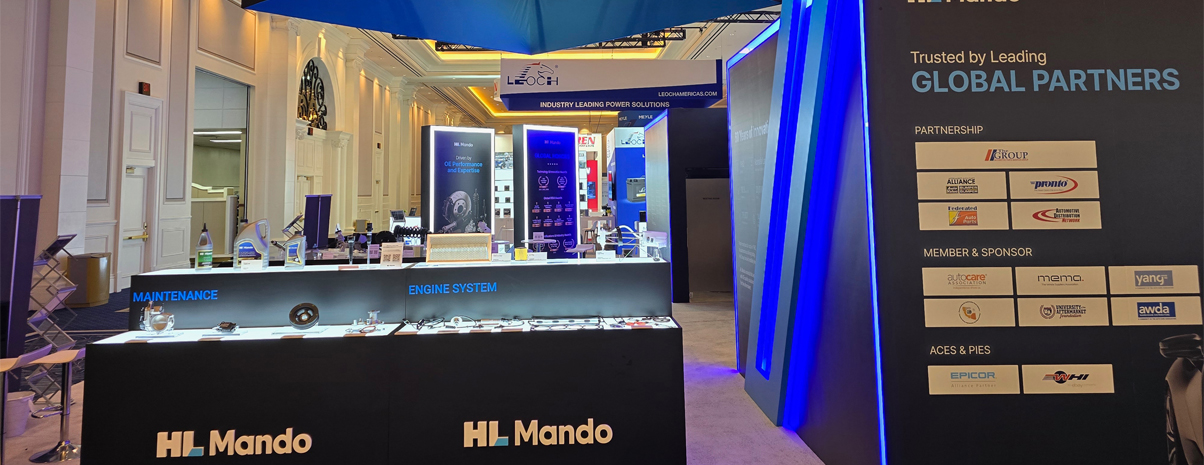
Layout is the foundation. A trade show product launch booth benefits from a design that creates visual hierarchy and guides traffic toward a central reveal zone. This might take the form of a raised platform, an enclosed theater space, or an open demonstration area with seating — the right format depends on the product, the audience size, and the brand’s presentation style. What matters most is that the product has a clear, unobstructed focal point that attendees are naturally drawn toward.
Lighting and audiovisual elements add drama. Spotlighting the product, using motion graphics or video walls to build the narrative, and incorporating sound design all contribute to the emotional impact of the moment. A reveal that feels cinematic sticks with attendees far longer than one that feels like a standard sales presentation.
Beaver XP designs product launch exhibits with this full experience in mind — structuring the space so that every element, from the entry path to the sightlines to the lighting cues, serves the story the brand is trying to tell. The booth does not just display the product. It frames it.
Graphics and signage should support the launch narrative without giving everything away too early. Teaser messaging near the booth entrance builds anticipation as attendees approach. Branded visuals inside the space reinforce the product story and create a cohesive experience from the first step to the final demo.
Sustaining Momentum After the Reveal
The reveal is the climax, but it is not the end. What happens in the hours and days following the debut is what determines whether the launch translates into real business results. Too many brands pour all of their energy into the moment of the unveiling and then have no plan for what comes next. The booth falls flat once the initial excitement fades, and the team scrambles to manage interest without the tools or structure to do it effectively.
A strong post-reveal plan includes dedicated demo stations where attendees can interact with the product hands-on. It includes trained staff who are prepared to answer detailed questions, handle objections, and capture lead information with context about each prospect’s specific interests. It includes meeting areas where the sales team can sit down with qualified leads for deeper conversations away from the noise of the show floor.
Content capture is equally critical. The launch moment itself — along with the reactions, the demos, and the engagement that follows — is a goldmine of marketing content. Having a photographer or videographer on-site ensures that the brand walks away with assets that can fuel social media, email campaigns, website updates, and sales materials for months after the event.
Avoiding Common Product Launch Pitfalls at Trade Shows
Even well-planned launches can stumble when certain details are overlooked. One of the most common mistakes is cluttering the booth with too many products. A launch is a singular moment, and the hero product needs to own the space. When a brand tries to showcase its full catalog alongside the new release, the debut gets diluted and the product loses the spotlight it deserves.
Neglecting rehearsal is another frequent pitfall. A live product reveal involves coordination between presenters, AV operators, lighting cues, and sometimes the product itself. When that choreography is not rehearsed, the result can be awkward pauses, technical difficulties, or a reveal that simply does not land the way it was intended. Even a short run-through the day before the show opens can prevent these issues.
Failing to plan for post-show follow-up is perhaps the biggest missed opportunity. The leads generated during a product launch are some of the warmest a brand will ever collect — these are people who showed up, watched the reveal, and engaged with the product. If the follow-up is delayed, generic, or disorganized, that warmth fades quickly. Having a follow-up plan in place before the show ensures that every lead is contacted promptly with personalized outreach that reflects the conversation they had on the floor.
A trade show product launch is more than a marketing event — it is a defining moment for the product, the brand, and the relationships that grow from it. When every element is planned with precision, from the pre-show buzz to the booth design to the post-reveal follow-through, the result is something that attendees remember and that the business benefits from for months to come. Connect with Beaver XP to start planning a product launch exhibit that turns your next trade show debut into the moment your industry cannot stop talking about.