Repurposing Trade Show Content for Year-Round Digital Marketing
Most brands approach trade shows with a clear set of goals — generate leads, build relationships, increase visibility. And when the show ends, the booths come down, the team flies home, and the focus shifts immediately to follow-up calls and pipeline. The event itself becomes a memory, filed away until the next show rolls around. But there is an entire layer of value from that trade show that most companies never fully tap into, and it has nothing to do with the leads they collected.
Every trade show produces a massive amount of raw content. Photos of the booth, video footage of product demos, candid moments with attendees, behind-the-scenes shots of setup and installation, soundbites from team members, and the energy of the show floor itself — all of it is content waiting to be captured, organized, and deployed across digital channels for months after the event. This is what trade show content marketing looks like in practice, and the brands that build it into their exhibit strategy are getting significantly more return from every event they attend. Beaver XP designs exhibits that are built not only to perform on the show floor but to serve as powerful visual stages for the kind of content that fuels year-round marketing.
Why Trade Shows Are Untapped Content Goldmines
Think about everything that happens during a trade show appearance. The booth itself is a branded environment designed to represent the company at its best. Products are displayed, demonstrated, and interacted with by a targeted audience. Team members are on the floor having real conversations about real challenges and solutions. Attendees are experiencing the brand in a physical, tangible way that rarely happens in digital marketing.
All of this is content. Every single moment of it. And yet most brands walk away from a trade show with a handful of phone photos, maybe a few social media posts published in real time, and nothing else. The booth gets dismantled and the visual assets disappear with it. The product demos that were performed dozens of times over three days were never recorded. The conversations that team members had — full of insights, testimonials, and real-world feedback — were never captured on camera.
The gap is not a lack of content. It is a lack of planning. When brands do not go into a trade show with a content capture strategy, they leave enormous value on the table. The show ends, the moment passes, and the only thing left is whatever someone happened to snap on their phone between meetings.
Building a Content Capture Plan Before the Show
The key to effective trade show content marketing is treating content capture as a planned deliverable, not a happy accident. This means building a content strategy into the event preparation timeline the same way a brand would plan staffing, logistics, or booth design.
Start with a shot list. Identify the specific types of content that will be most valuable after the show — wide shots of the booth from multiple angles, close-ups of product displays, video walkthroughs of the exhibit, staff interviews, attendee testimonials, time-lapse footage of setup, and candid moments of engagement on the floor. Assign someone — whether it is an internal team member or a hired photographer and videographer — to own the content capture process throughout the event.
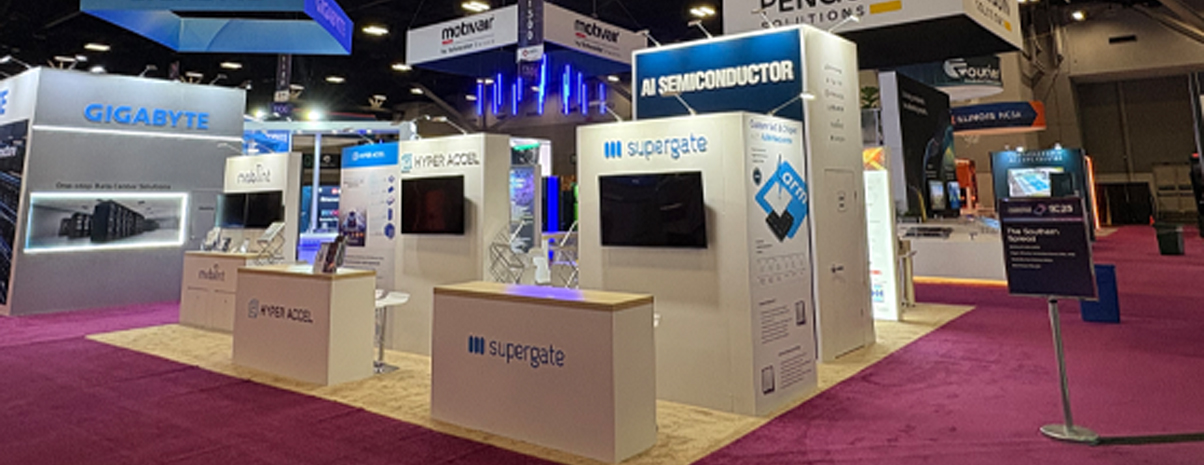
Booth design plays a direct role in how well content turns out. Branded backdrops, clean sightlines, intentional lighting, and well-positioned signage all contribute to photos and videos that look polished and professional without heavy editing. When the exhibit is designed with content capture in mind, the booth becomes a studio as much as a sales environment. This is one of the reasons brands that work with experienced fabrication partners tend to produce stronger post-show content — the visual quality of the booth translates directly into the visual quality of the assets.
Turning Show Floor Content Into Social Media, Email, and Website Assets
Once the content is captured, the real work begins — breaking it down into usable assets that can be distributed across channels over the weeks and months following the event. A single trade show appearance, when properly documented, can generate enough material to support a brand’s digital presence for an entire quarter.
Short-form video clips are among the most versatile assets. A 60-second booth walkthrough can be posted to Instagram, LinkedIn, and TikTok. A 15-second product demo clip makes a compelling ad or email embed. A behind-the-scenes reel showing the booth being built humanizes the brand and gives followers a look at the craftsmanship behind the experience. These clips do not need to be heavily produced — authentic, well-shot footage from the show floor often outperforms polished studio content because it feels real.
Photography serves multiple purposes as well. Booth images can be featured on the company website, included in case studies, used in sales presentations, and shared across social channels. Candid shots of team members engaging with attendees add a human element to the brand’s story. Product close-ups taken in the booth environment provide context that studio photography often lacks.
Beaver XP encourages clients to think of their trade show exhibit as a content stage — a space that is designed to look as good on screen as it does in person. When that mindset is built into the design process, the content captured at the event carries a level of visual quality that elevates every channel it touches.
Using Trade Show Content to Nurture Leads After the Event
Beyond social media and website use, trade show content plays a powerful role in post-show lead nurturing. The leads collected at a trade show are warm — they had a face-to-face interaction with the brand, experienced the booth, and engaged with the product. Following up with generic emails or templated outreach wastes that warmth. Content captured at the event gives brands a way to keep the experience alive in a prospect’s mind long after they have left the show floor.
A personalized follow-up email that includes a photo from the event, a link to a product demo video filmed at the booth, or a short recap reel creates a much more engaging touchpoint than a standard sales email. It reminds the lead of the experience they had and reinforces the brand’s presence in a visual, memorable way. For prospects who visited the booth but did not convert on the spot, this kind of content-rich follow-up can be the difference between a lost lead and a closed deal.
Event content also supports longer-term nurture sequences. A brand can publish a post-show blog recapping the event, share a series of social posts highlighting different products or conversations from the show, and include trade show visuals in monthly newsletters. Each of these touchpoints keeps the brand top of mind and extends the lifecycle of the trade show investment.
Making Content Repurposing a Permanent Part of Your Trade Show Strategy
The brands that get the most from their trade show programs are the ones that stop treating content as a bonus and start treating it as a core deliverable. Just as a brand would never attend a show without a booth or a team, it should never attend without a plan for capturing and repurposing the content that the event produces.
This means budgeting for content capture — allocating resources for photography, videography, and editing as part of the overall event investment. It means briefing the content team on the brand’s messaging priorities so the footage they capture aligns with post-show marketing goals. And it means building a content calendar before the event that maps out exactly how and where each asset will be used after the show ends.
When content repurposing becomes a permanent part of the trade show strategy, every event stops being a one-time expense and starts becoming an investment that pays dividends across every digital channel the brand operates. The show may last three days, but the content it produces can work for months. Connect with Beaver XP to start designing trade show experiences that deliver impact on the floor and fuel your marketing long after the lights go down.